
Why Are Rooms Staying Dirty in Hotel Architect?
 1
2
3
1
2
3
Cleaning bottleneck read
How to tell whether the problem is cleaner count, route length, or room bloat
- Too few cleaners feels obvious. Everything is dirty all at once and recovery never catches up.
- Bad routes feel sneakier. You hired enough people, but too much of their shift disappears into walking.
- Oversized rooms change the workload. Premium room blocks can quietly turn a stable cleaning plan into a permanent backlog.
Strategy takeaway: the fastest cleaning fix is usually making each cleaner's route shorter before making payroll bigger.
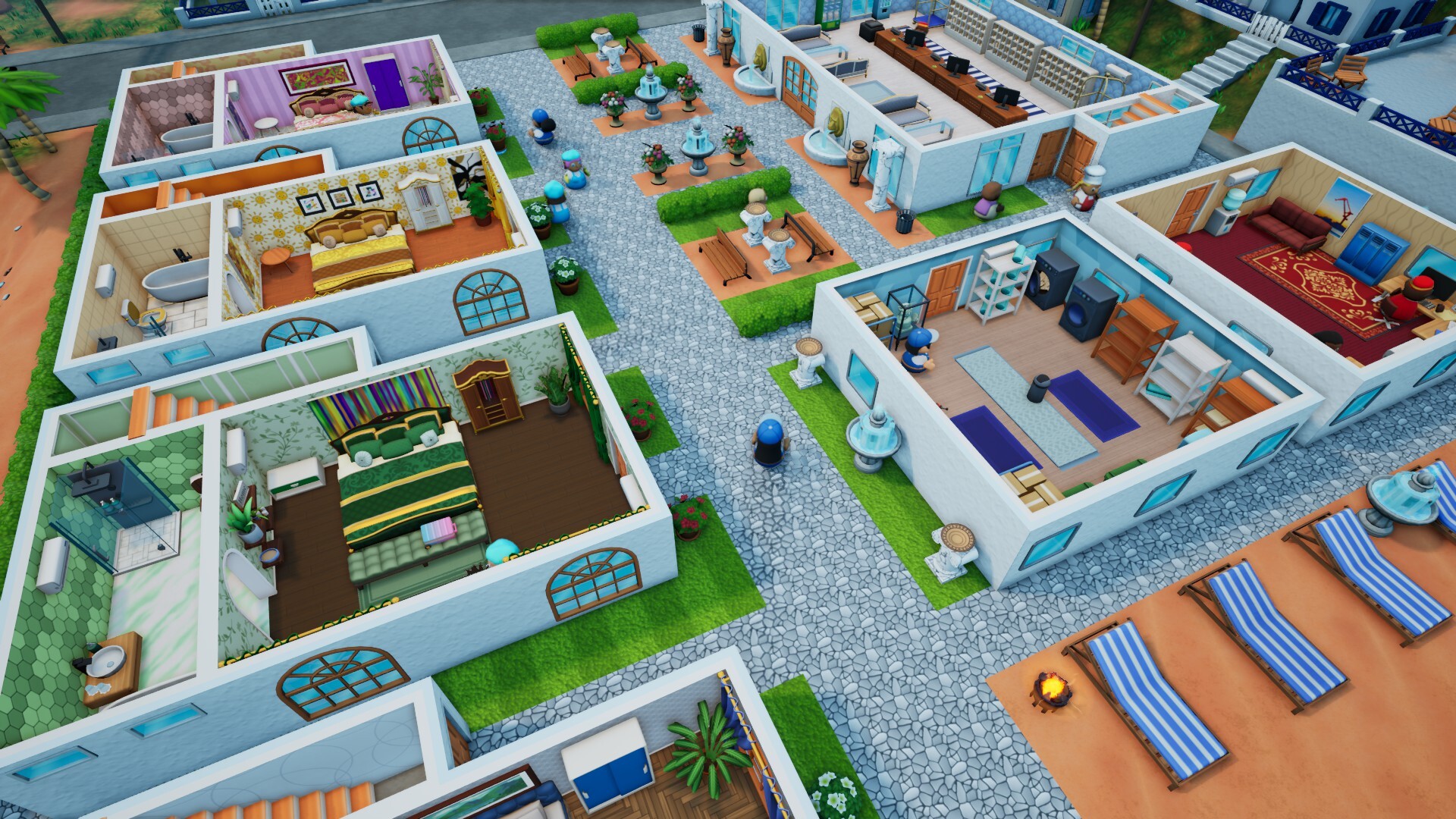
When rooms stay dirty in Hotel Architect, the real issue is usually not cleanliness as a number. It is throughput. The hotel is creating dirty rooms faster than the current cleaning plan can recover them.
Short answer
Section titled “Short answer”Rooms usually stay dirty because the cleaner count, cleaner routes, or room turnover plan cannot keep up with how large, spread out, or busy the hotel has become.
First check: is this a headcount problem or a route problem?
Section titled “First check: is this a headcount problem or a route problem?”That distinction matters. If you solve a route problem with extra hiring, the hotel gets more expensive without becoming much cleaner.
If cleaners spend too much time crossing the map, walking through guest clutter, or servicing oversized room blocks, dirt keeps piling up even when payroll looks reasonable.
Common reasons rooms stay dirty
Section titled “Common reasons rooms stay dirty”The cleaner route is too long
Section titled “The cleaner route is too long”This is one of the most common causes in mid-size hotels. Cleaners are technically busy all day, but too little of that time is spent actually cleaning.
Premium rooms made the workload jump
Section titled “Premium rooms made the workload jump”Bigger, more complex rooms can change the cleaning burden faster than players expect. A layout that was fine for compact rooms can collapse after premium upgrades.
Turnover pressure spiked without support
Section titled “Turnover pressure spiked without support”When the hotel fills up faster or cycles rooms faster, a once-stable cleaner setup can suddenly become inadequate.
Too many service tasks are stacked into the same weak area
Section titled “Too many service tasks are stacked into the same weak area”Dirty guest paths, utility clutter, and room-service pressure can all amplify the problem when the hotel flow is already stretched.
Fast checklist for dirty rooms
Section titled “Fast checklist for dirty rooms”- Watch how much time cleaners spend walking instead of cleaning
- Check whether your room blocks became bigger or farther apart
- Add coverage near the busiest room cluster, not just anywhere
- Reduce visible route friction around housekeeping paths
- Delay the next premium room expansion until turnover stabilizes
What usually fixes the problem fastest
Section titled “What usually fixes the problem fastest”- shorten the cleaner route
- split very large room wings into more manageable service zones
- hire coverage for the actual hot spot, not the whole map
- pause room expansion until cleanliness recovers
- tighten room layouts that became expensive to service
Quick answers
Section titled “Quick answers”Why are rooms dirty even though I hired more cleaners?
Section titled “Why are rooms dirty even though I hired more cleaners?”Because the cleaner count may not be the bottleneck. If the route is poor, extra staff still waste too much time crossing the hotel.
Do bigger rooms make cleanliness harder in Hotel Architect?
Section titled “Do bigger rooms make cleanliness harder in Hotel Architect?”Yes. Larger premium rooms often look profitable, but they can increase the cleaning burden enough to destabilize the whole floor if support does not grow with them.
Read next
Section titled “Read next”If dirt is already hurting guest opinion, continue with Why Are Guests Unhappy?.
If staffing looks off more broadly, open Staff Roles Guide and How Staff Efficiency Works.
If the room side of the problem is growing too ambitious, compare Best Room Layout for Brat Guests and Best Room Layout for Upper Crust Guests.